In-house Nickel, Copper and Titanium coatings — engineered to improve diamond retention, tool life, efficiency and workpiece integrity across resin and metal bond systems.
Since our inception, WWSA has focused on providing world-class metallic coatings at competitive prices. Years of intensive R&D have produced Nickel, Copper and Titanium coatings that compete with any superabrasive manufacturer — and our team keeps pursuing new solutions that improve tool life, efficiency and workpiece integrity.
Relentless automation of our coating processes delivers consistent coated product with every shipment. WWSA’s current annual coating capacity is 120,000,000 carats and growing. New comparative coating analysis lets us measure lot-to-lot consistency and benchmark our coating integrity against competitive products.
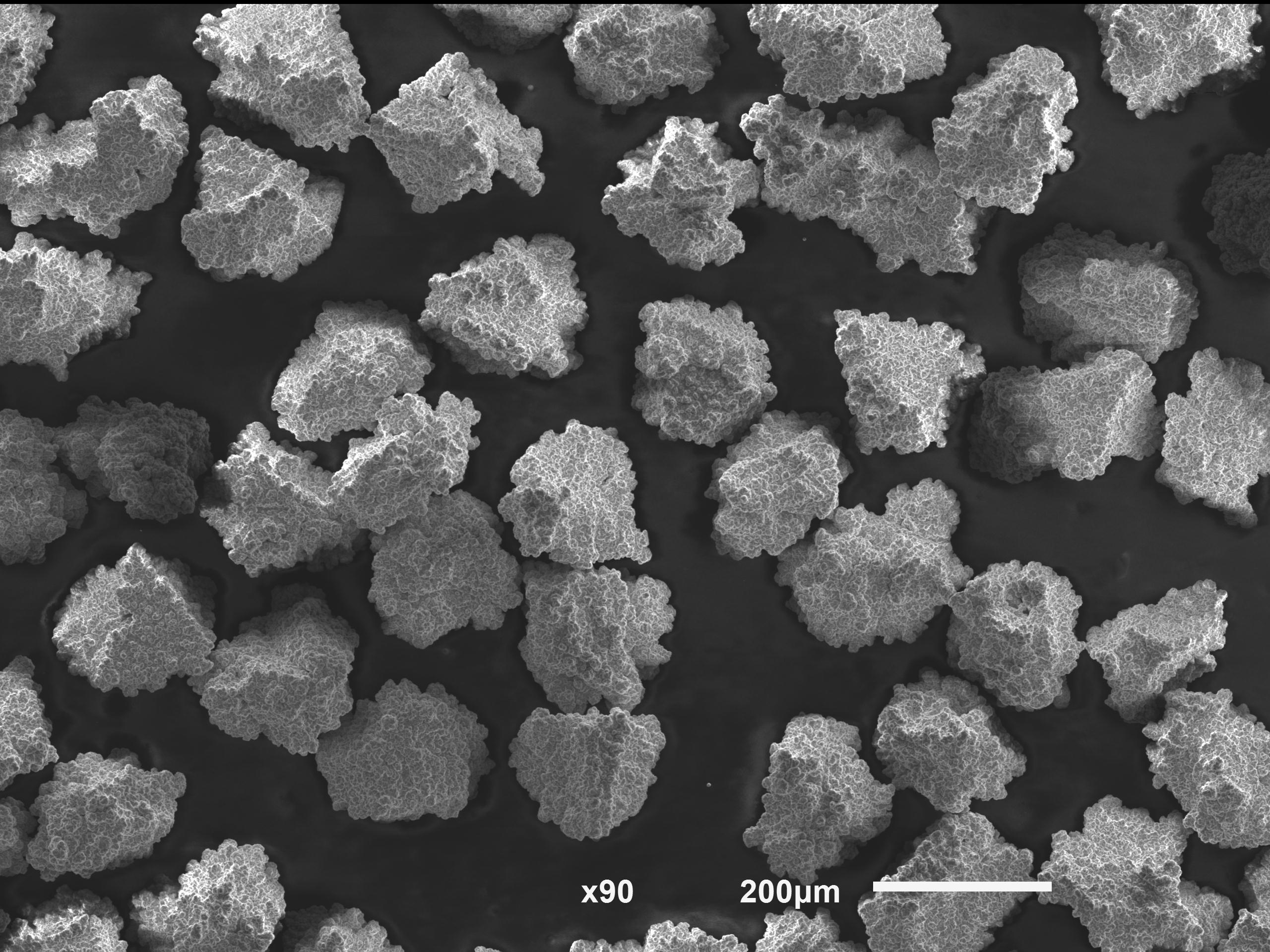
Electroless Nickel 30% and 56% coatings enhance retention of the diamond in phenolic and polyimide resin bond systems. The durable Nickel-to-crystal bond increases particle retention — improving wheel life and workpiece integrity — while a very dendritic texture delivers longer tool life than competing Nickel coatings.
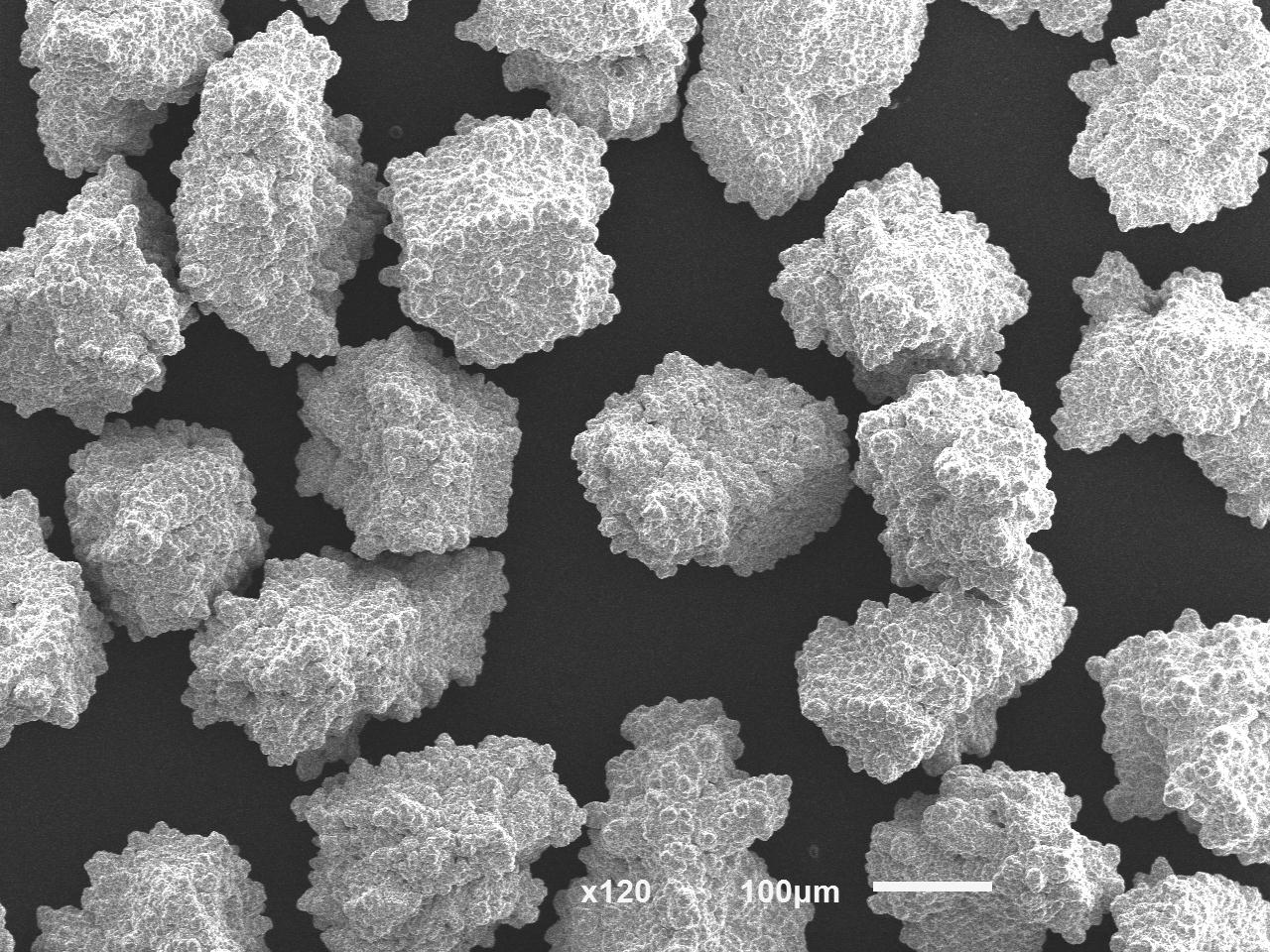
A hybrid Electroplated Nickel coating with a pronounced spiky texture and elongated dendrites for increased mechanical retention, very high material-removal rates and improved form holding in phenolic and polyimide resin systems. Tested 8× better than competitors. Available in 56% and 60% by weight.
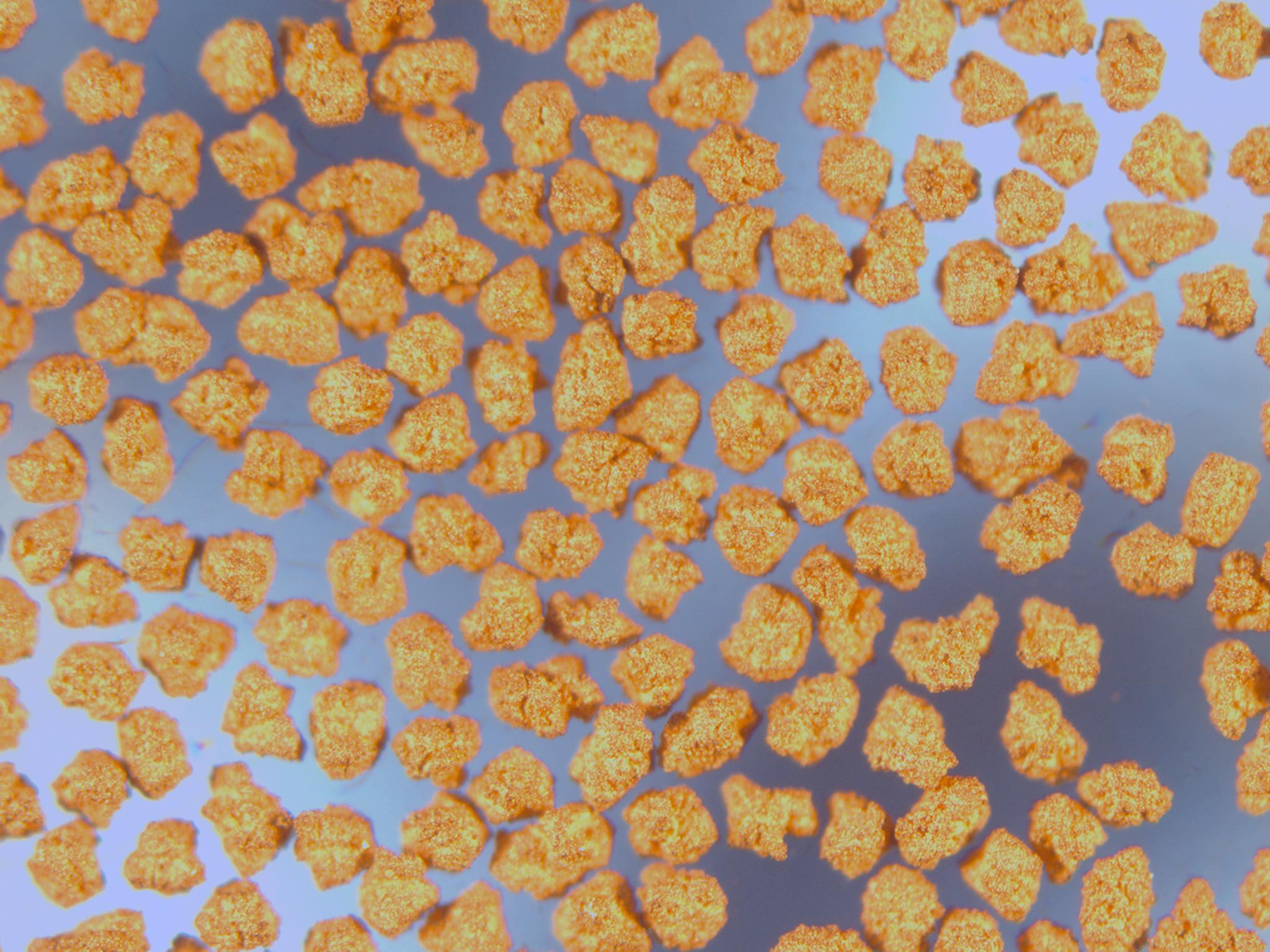
WWSA’s standard electroless Copper 50% coating improves mechanical retention of the diamond particle in the resin bond matrix and provides excellent heat dissipation. Suggested for dry grinding, where its higher thermal conductivity is an advantage over Nickel.
Coatings that bond chemically — as well as mechanically — to the crystal, further enhancing the ability of metal bond systems to hold the abrasive. Titanium is applied by both sputtering and CVD techniques, alongside Silicon coatings.
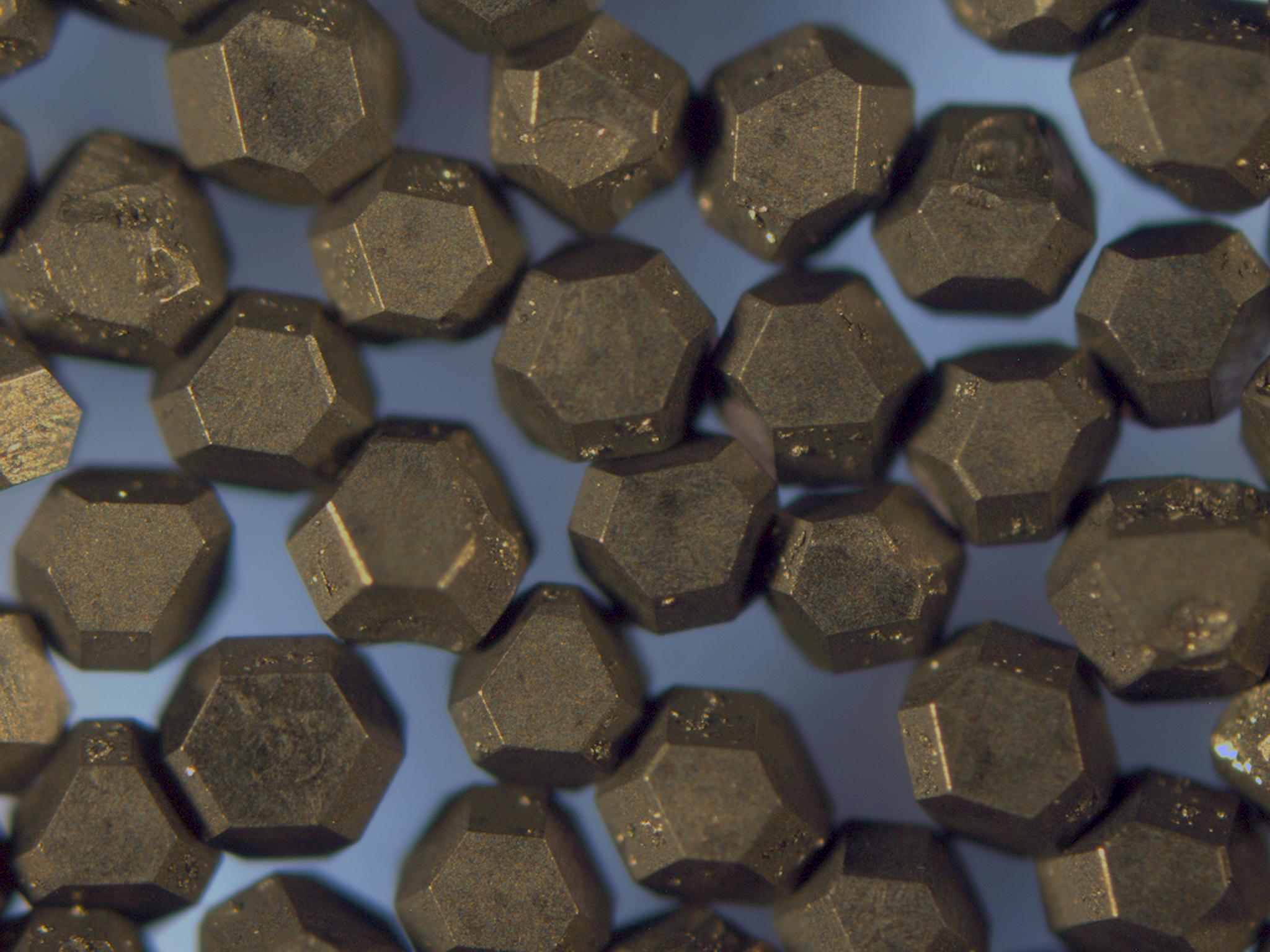
Titanium applied by physical-vapor sputtering, forming a uniform, chemically active layer that strengthens the bond between the metal matrix and the crystal.
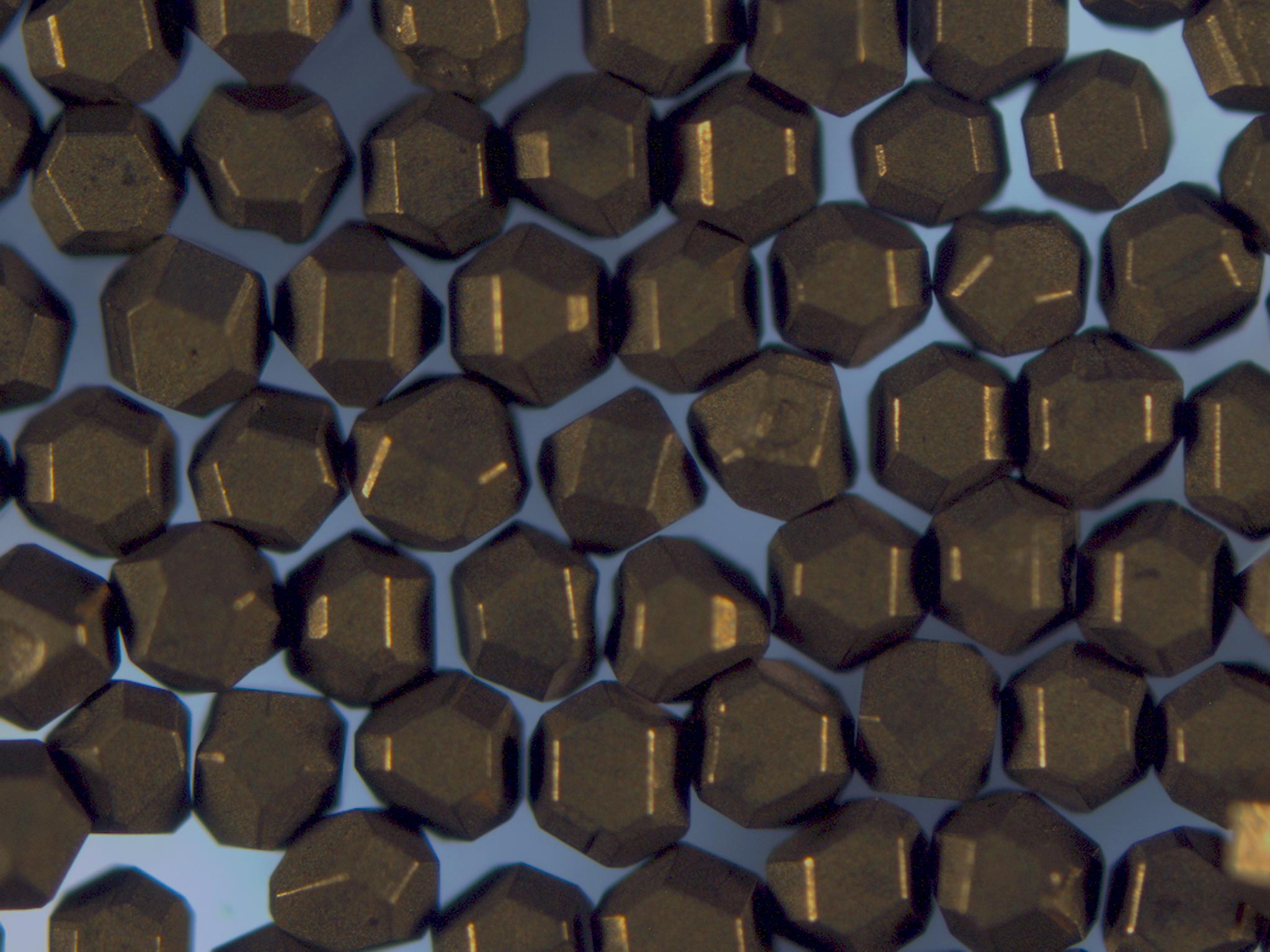
Titanium applied by chemical-vapor deposition, forming a dense, carbide-anchored layer for maximum chemical retention in demanding metal bond tools.
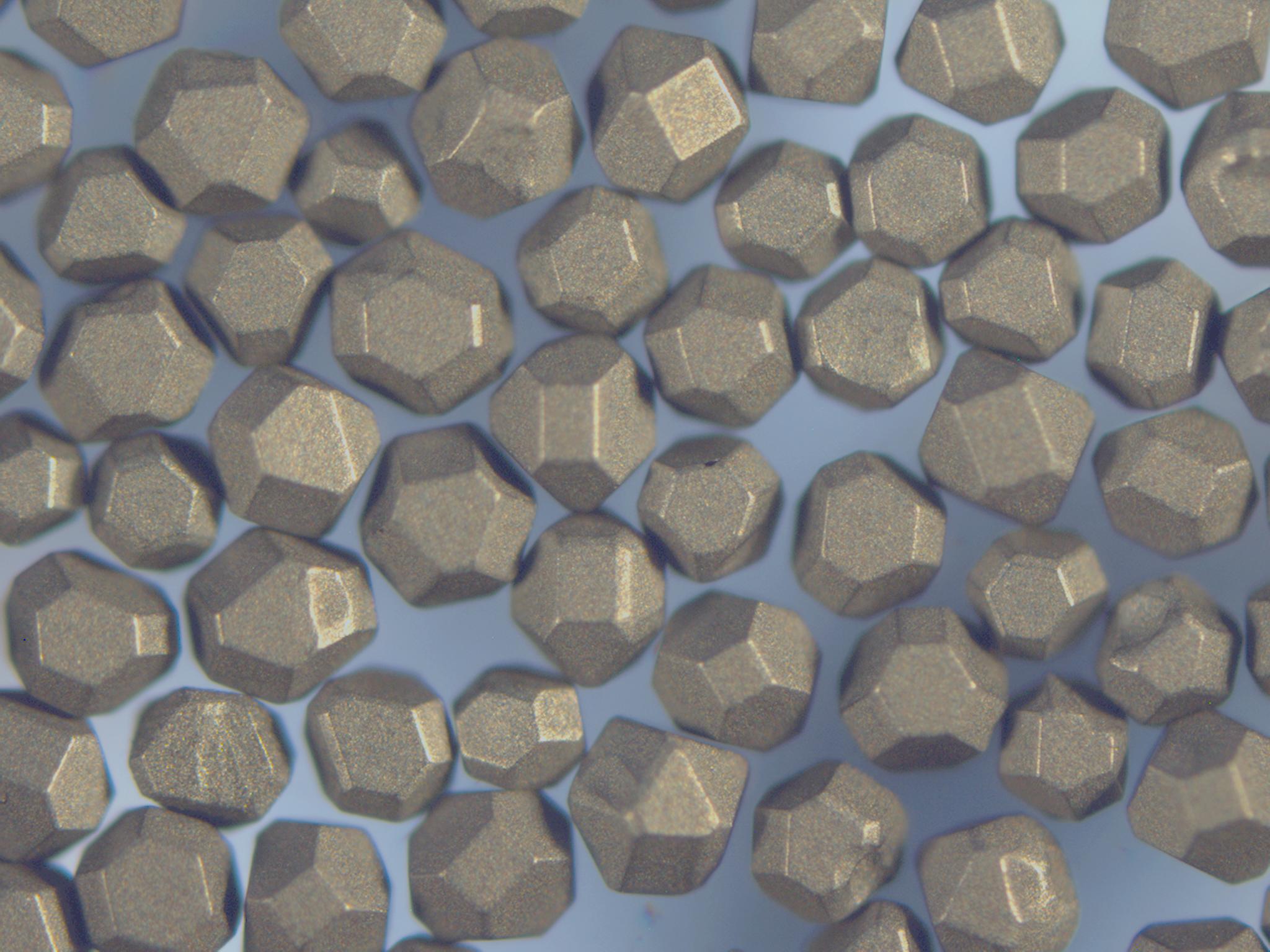
A Silicon coating that chemically bonds to the crystal surface, improving wetting and grain retention in metal bond systems.

